
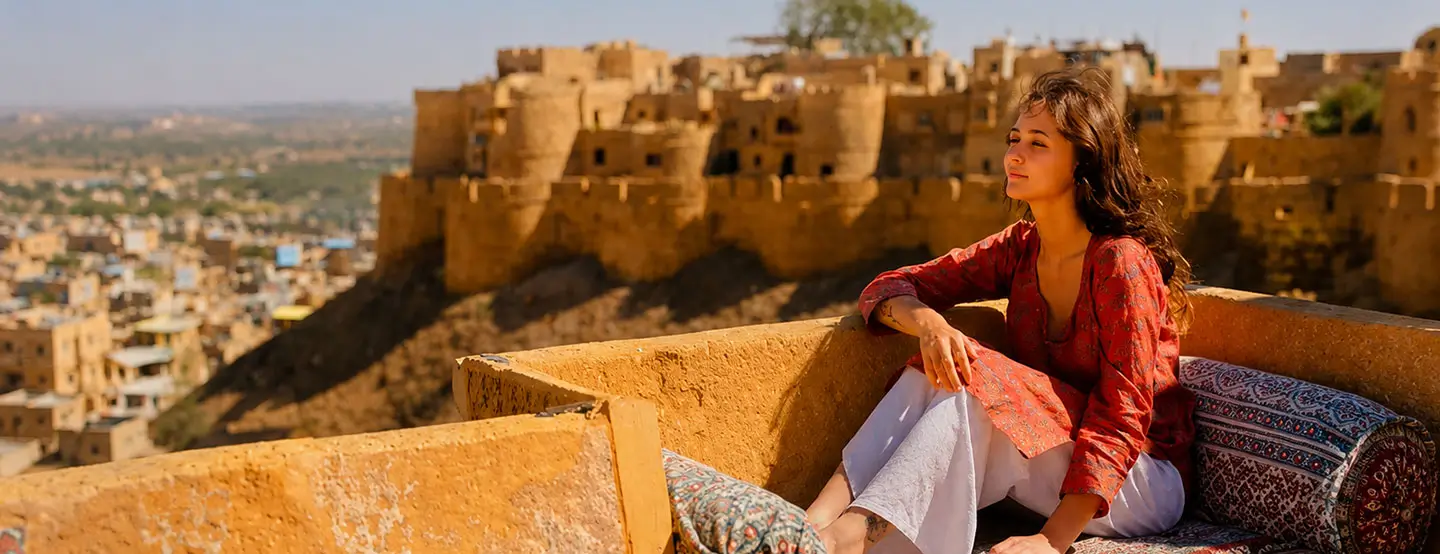
Renowned as the “Golden City,” Jaisalmer captivates visitors with its honey-hued sandstone architecture, rich heritage, vibrant bazaars, and enduring desert charm. Steeped in history and culture, the city presents a captivating blend of majestic forts, intricately carved havelis, and atmospheric streets lined with local boutiques, cafés, and traditional restaurants.
Discover our curated selection of Jaisalmer’s must-visit attractions and cultural highlights. To fully immerse yourself in the city’s unique character and stories, we highly recommend exploring with experienced local guides who bring its history and traditions to life. We would be delighted to assist in arranging personalised sightseeing experiences tailored to your interests and preferences.
Enquire at Reception or send us an email or chat on WhatsApp

Sam Sand Dunes is one of the most captivating attractions in the heart of the Thar Desert, offering visitors a quintessential desert experience just outside Jaisalmer. Known for its sweeping golden dunes, dramatic sunsets, and ever-changing landscapes, Sam enchants travelers with camel safaris, thrilling jeep rides, traditional Rajasthani folk performances, and luxury desert camping under starlit skies. Whether watching the sun paint the sands in shades of gold and amber or immersing yourself in the vibrant local culture, Sam Sand Dunes delivers an unforgettable blend of adventure, natural beauty, and heritage that captures the true spirit of Rajasthan.
Walking Distance from Hotel Royal Haveli
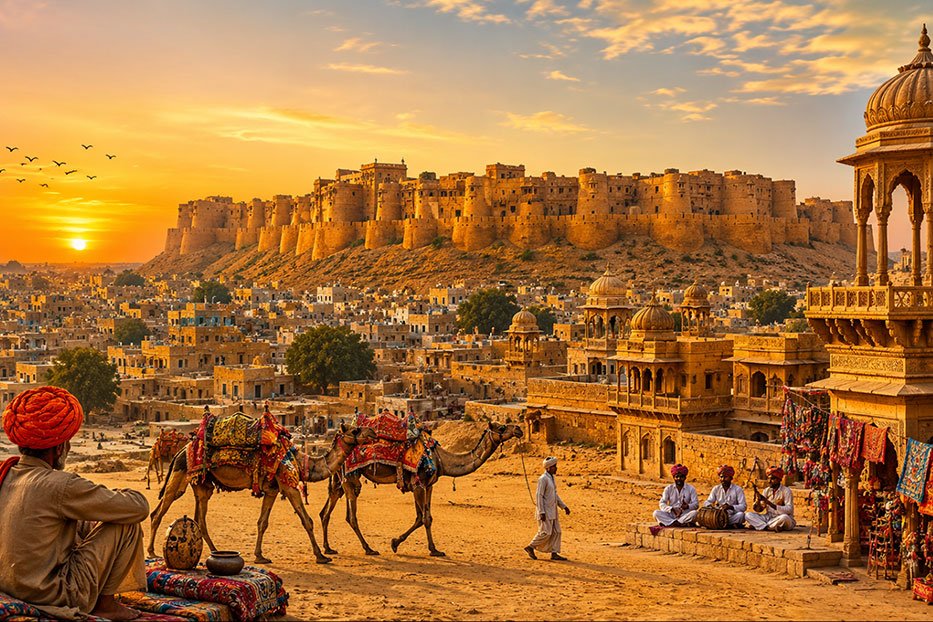
Like a golden mirage rising from the Thar Desert, Jaisalmer Fort stands proudly above the city of Jaisalmer, glowing beneath the desert sun. Built in the 12th century by Rawal Jaisal, the fort is carved from warm yellow sandstone that turns molten gold at sunset, earning it the name Sonar Quila — the Golden Fort.
Within its ancient walls lie winding lanes, beautifully carved havelis, bustling markets, and serene Jain temples, all alive with the spirit of Rajasthan. Unlike many historic forts, Jaisalmer Fort is still inhabited, where everyday life continues amidst centuries-old architecture.
Enchanting and timeless, the fort feels less like a monument and more like a living story glowing in the heart of the desert.
Walking Distance from Hotel Royal Haveli
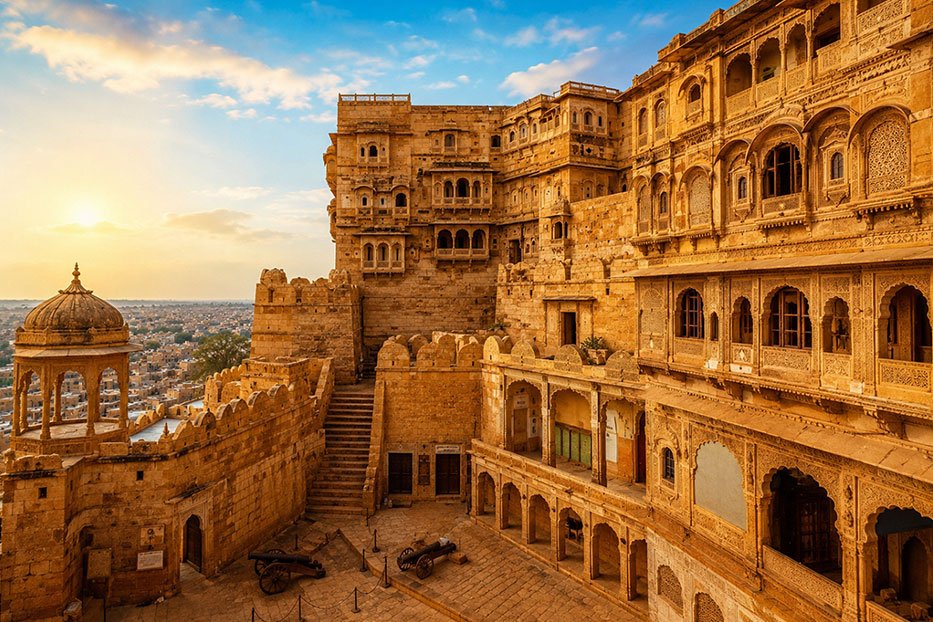
Nestled within the golden ramparts of Jaisalmer Fort, the former royal residence of Jaisalmer now stands as an enchanting museum filled with treasures from a bygone era. Delicately carved sandstone corridors, ornate balconies, and centuries-old royal artifacts transport visitors into the opulent world of Rajasthan’s desert royalty. Yet it is the breathtaking rooftop vistas — where the honey-hued city melts into the endless Thar Desert — that truly captivate the soul. Wandering through the palace feels like stepping into a living legend, where echoes of royal processions, courtly celebrations, and timeless grandeur still linger in the air.

The Jaisalmer War Museum is a must-visit attraction that brings India's military history to life. Located on the Jaisalmer–Jodhpur Highway, the museum showcases war memorabilia, tanks, fighter aircraft, and inspiring stories of bravery from the Indian Armed Forces. Its engaging exhibits, patriotic atmosphere, and impressive outdoor displays make it a memorable stop for history enthusiasts, families, and travelers exploring the Golden City of Jaisalmer
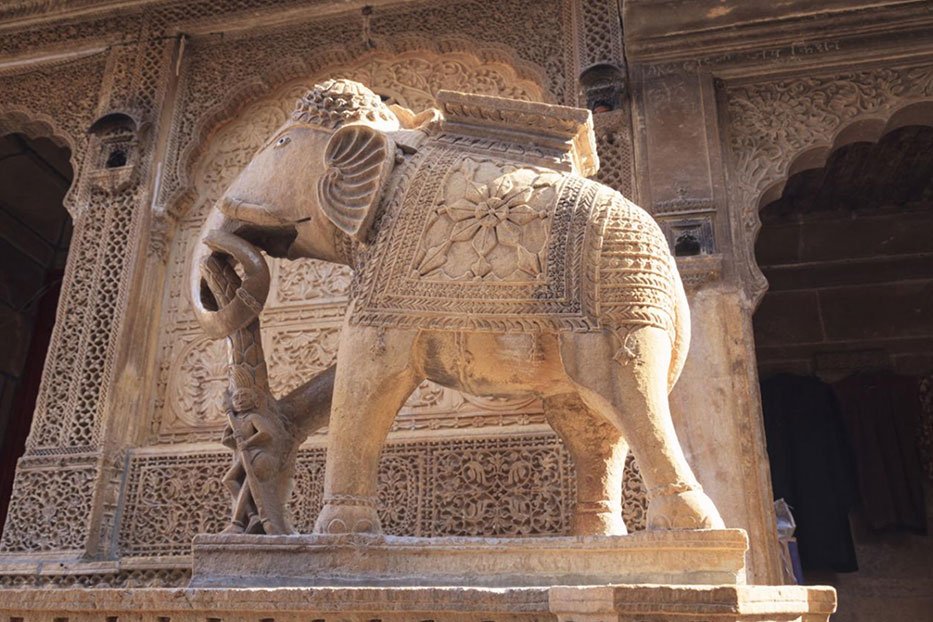
This 19th-century haveli was once associated with Diwan Mohata Nathmal, a former prime minister of Jaisalmer. What makes it especially notable is its construction story: two architect brothers, Hathi and Lulu, were each assigned one side of the building. Rather than working from a single shared plan, they built their sections independently, resulting in a structure that is visually balanced but not perfectly identical.
When you look closely, you can spot the differences in the detailing—slightly varied carvings, motifs, and façade elements - reflecting a kind of friendly rivalry in craftsmanship. Despite these subtle differences, the overall design feels cohesive, showcasing the rich sandstone carving tradition of the region.
Today, it’s one of the more interesting architectural stops in the old city, both for its story and its intricate stonework.
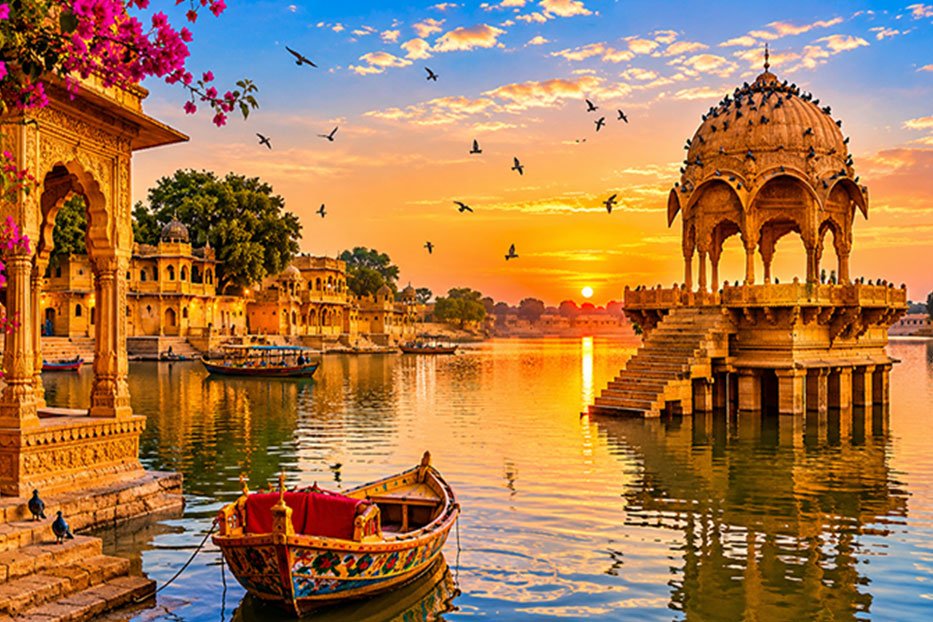
On the edge of the golden desert city of Jaisalmer in Rajasthan, Gadisar Lake rests like a quiet mirror held in the sand. Built centuries ago, it feels less like a man-made reservoir and more like a desert dream that learned how to hold water.
Stone temples, carved arches, and weathered pavilions lean toward its surface, as if trying to remember their own reflections. At dawn, the lake is soft and silver; at sunset, it turns molten gold, blending seamlessly into the surrounding dunes.
Birds glide across it like passing thoughts, and the city’s noise seems to hesitate at its edge. Gadisar is not loud about its beauty—it simply keeps still, and lets the desert come to it. Merchants selling their wares and cafes dot the banks making for a mesmerising stroll.
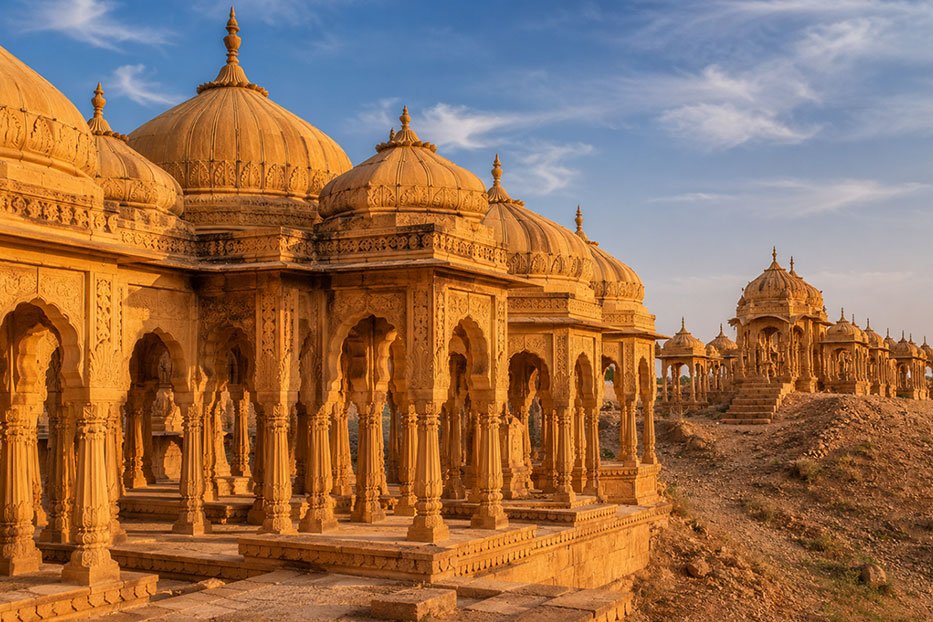
On the edge of the Thar Desert, where wind moves like an ancient memory, Bada Bagh in Jaisalmer rises from the sand like a dream half-remembered and half-forgotten.
Here, silence is not empty—it is deliberate. It settles over the cenotaphs of the royal family of Jaisalmer, each chhatri carved in honeyed sandstone, their domes and pillars catching the sun as if they are still learning how to become light. The air feels older than language. Even footsteps seem to hesitate before breaking it.
At dawn, the sky blushes gold and rose, and the cenotaphs cast long, patient shadows across the dunes, as though the past itself is stretching awake. At dusk, the wind threads through the ruins, whispering names that no longer belong to the living but refuse to disappear entirely.
Bada Bagh does not ask to be understood. It asks only to be witnessed—where kings have turned to stone, and stone, under the desert’s slow spell, feels almost alive.
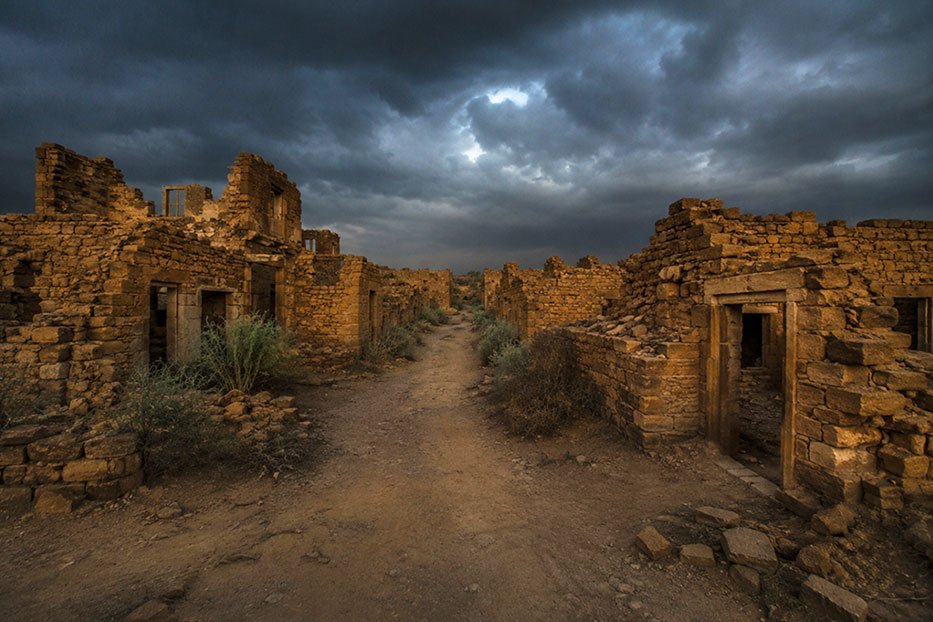
Located about 18 km from Jaisalmer, Kuldhara is an abandoned village famous for its mysterious past and ghostly legends. According to local folklore, the villagers left overnight around 200 years ago and cursed the land before departing, leaving it deserted ever since.
Today, visitors can explore the ruins of old sandstone houses, narrow streets, and temples set against the backdrop of the Thar Desert. Whether you believe the haunting stories or not, Kuldhara offers a fascinating blend of history, mystery, and desert scenery, making it one of Rajasthan's most intriguing tourist attractions.
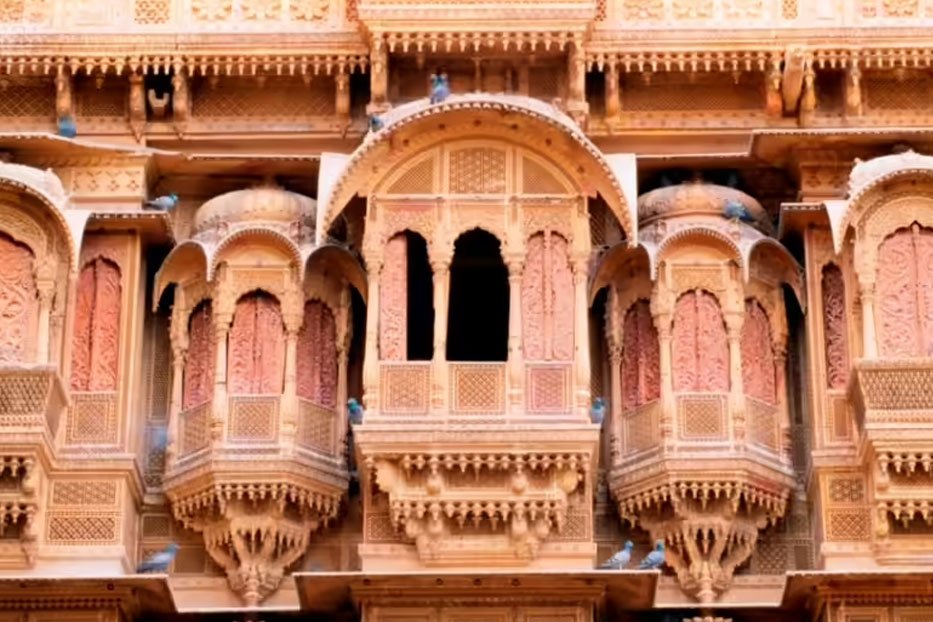
Strolling through the charming narrow lanes surrounding Patwon Ki Haveli offers breathtaking views of Jaisalmer’s iconic Golden City, where honey-colored sandstone buildings shimmer under the desert sun. The haveli is especially enchanting during sunrise and sunset, when its intricately carved façade glows with a warm golden radiance, creating a dreamlike setting for photography. Visitors can wander through beautifully preserved courtyards, elegant chambers adorned with period décor, and rooftop terraces that provide panoramic views of the historic cityscape.
As one of Jaisalmer’s most celebrated landmarks, Patwon Ki Haveli is more than an architectural marvel—it is a captivating journey into Rajasthan’s royal past. Its exquisite craftsmanship, rich history, and timeless beauty make it an essential stop for travelers seeking the magic, culture, and grandeur of the Thar Desert.

Fort Area, Air force Circle, near Desert Boys Dhani, Dhibba Para, Jaisalmer, Rajasthan 345001
+91-7877519856
hotelroyalhaveli@gmail.com
www.royaljaisalmer.com