Most visitors arrive in Jaisalmer with a rough idea of what awaits them — a fort, some sand, perhaps a camel. Few arrive understanding why the city looks the way it does, or why a dune buggy ride and a five-hundred-year-old haveli belong on the same itinerary at all. The truth is that Jaisalmer rewards travellers who treat it less like a checklist and more like a short course in desert civilisation: how a trading city survived on caravan routes for centuries, how its merchants turned that wealth into stone lacework, and how the same desert that once threatened its existence is now one of its biggest draws. Understanding a little of that context changes the experience considerably, and it also helps in deciding how to actually spend a limited number of days here.
Why the Fort Isn't Just a Fort
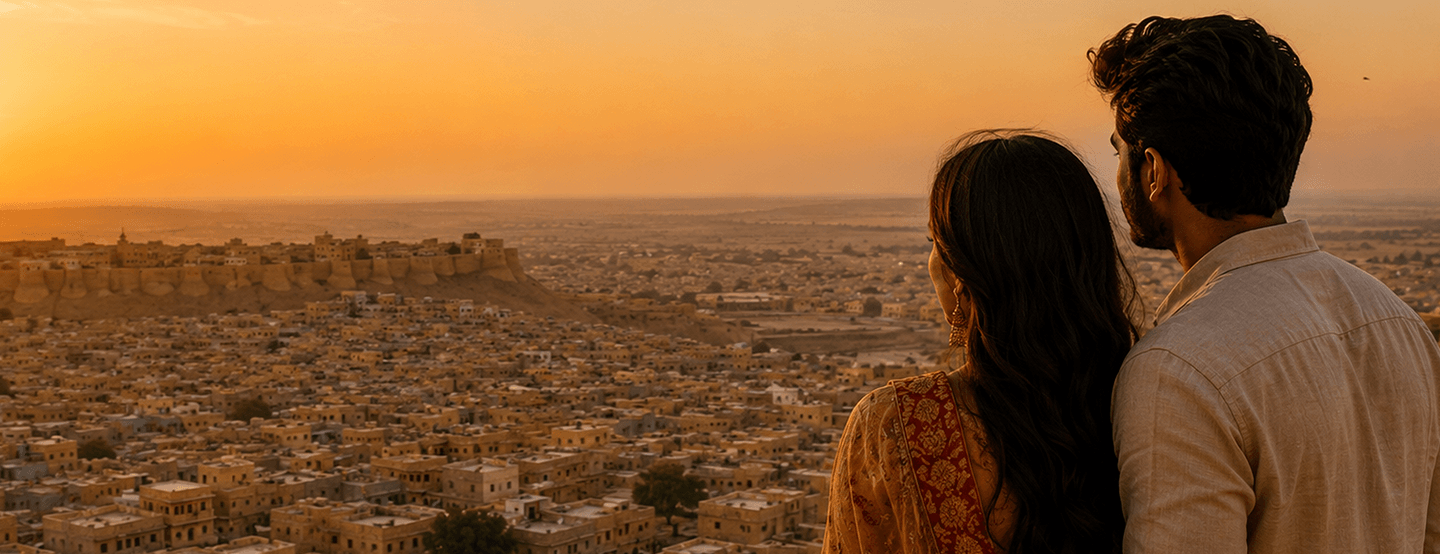
Jaisalmer Fort, built in 1156 by the Rajput ruler Rawal Jaisal, sits on Trikuta Hill and is one of very few forts in the world still inhabited by descendants of its original residents. That single fact explains most of what makes it worth visiting properly rather than rushing through. Shops, temples and homes operate inside walls that also once withstood sieges, which means the fort functions today as a genuine cross-section of Rajasthani life rather than a preserved shell. Its yellow sandstone, quarried locally, is soft enough to carve with extraordinary precision and hard enough to survive eight centuries of desert wind — a combination of geology and craftsmanship that gave the city its "Golden Fort" name, Sonar Quila.
Inside its walls, the Jain temples deserve unhurried attention. Built between the twelfth and sixteenth centuries and dedicated to Jain Tirthankaras, their carved ceilings and pillars represent a different, more delicate architectural tradition than the fort's defensive exterior suggests. Visiting with a guide who can explain the iconography, rather than simply walking through, turns ten minutes of admiring stonework into a genuine understanding of what the carvings represent.
The Havelis: Reading Wealth in Architecture
A short walk from the fort, Jaisalmer's havelis tell the second half of the city's story — not of kings and sieges, but of merchants who grew wealthy on the Silk Route trade passing through the Thar Desert. Patwon Ki Haveli, a complex of five connected mansions, is the most elaborate surviving example, its facade so densely carved it resembles lace rather than stone. Nathmal Ki Haveli and Salim Singh Ki Haveli, each built with distinct architectural quirks, round out a trio that together illustrate how competitive and status-conscious Jaisalmer's merchant families once were. Understanding that these buildings were built to display wealth, much as a modern collector might commission a striking piece of architecture today, makes the ornamentation feel less decorative and more purposeful.
From Stone to Sand: Why Dune Bashing Belongs on the Same Trip
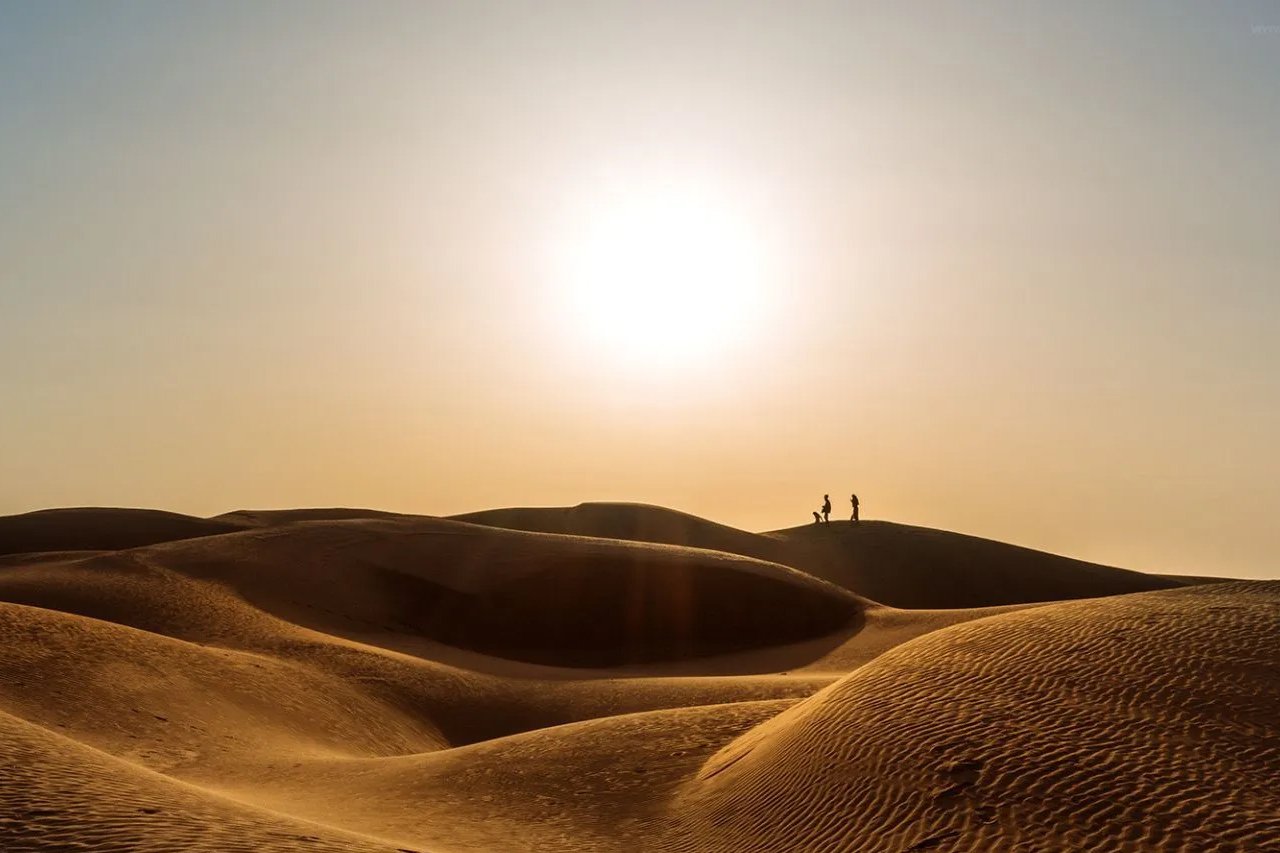
It can seem, at first glance, like an odd pairing — centuries-old carved sandstone in the morning, an adrenaline-driven jeep ride across dunes in the afternoon. But the two experiences are connected by the same geography. Jaisalmer exists because it sits at the edge of the Thar Desert, on a route where caravans needed water, shelter and trade before crossing further west. The dunes that surround the city today, particularly the well-known Sam Sand Dunes roughly forty kilometres out, are part of the same landscape that shaped the city's entire economy and architecture.
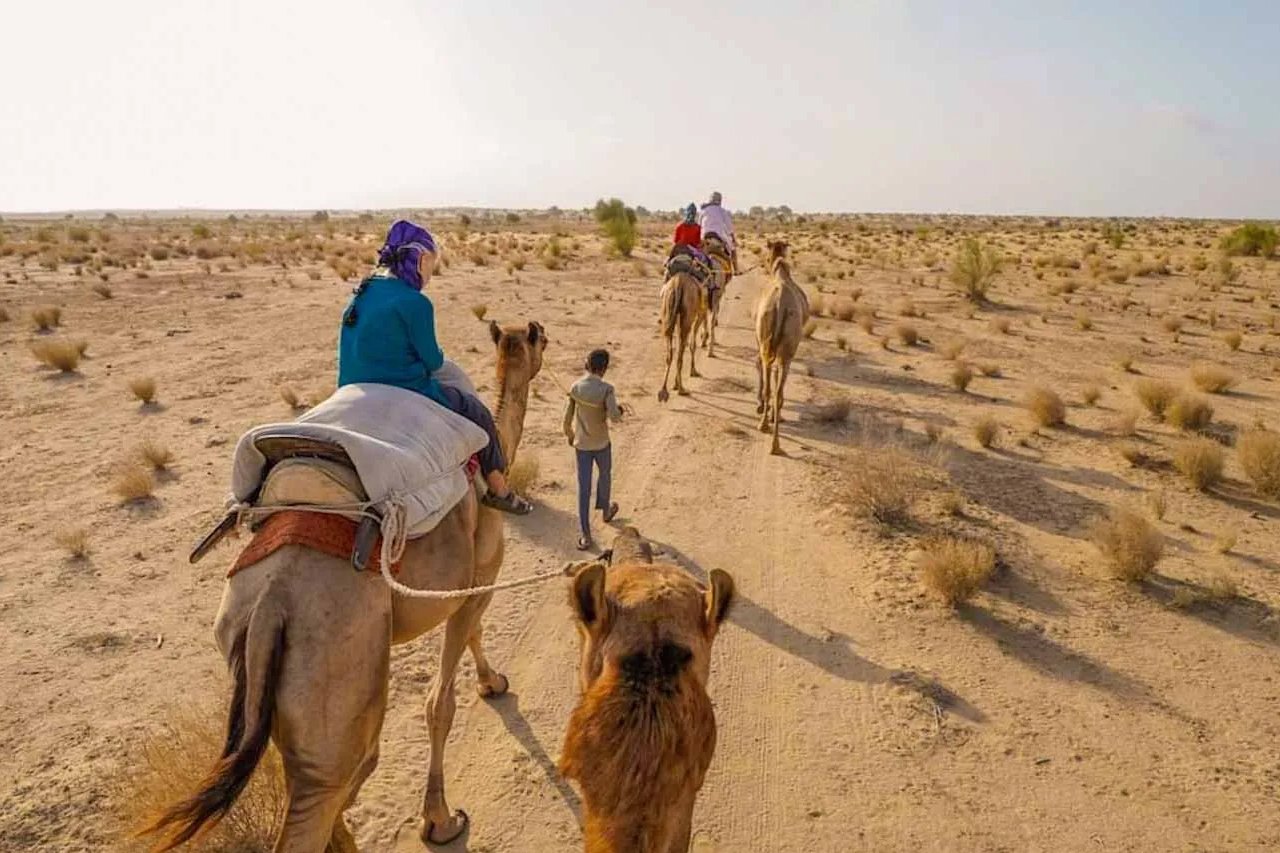
Dune bashing itself — a high-speed jeep drive over the rolling dunes, executed by drivers who know the terrain intimately — has become one of the more popular adventure activities in the region, and for good reason. It offers a physical, visceral way to experience a landscape that otherwise can feel abstract from a distance. For travellers who prefer a gentler pace, a camel safari across the same dunes provides a slower, quieter alternative, closer to how travellers historically moved through this terrain. Either way, timing matters: arriving in the late afternoon allows for a proper safari or dune session before the desert's famous sunset, when the sand shifts through shades of gold and rust that are genuinely difficult to photograph accurately.
Beyond the Obvious: Lakes, Cenotaphs and a Vanished Village
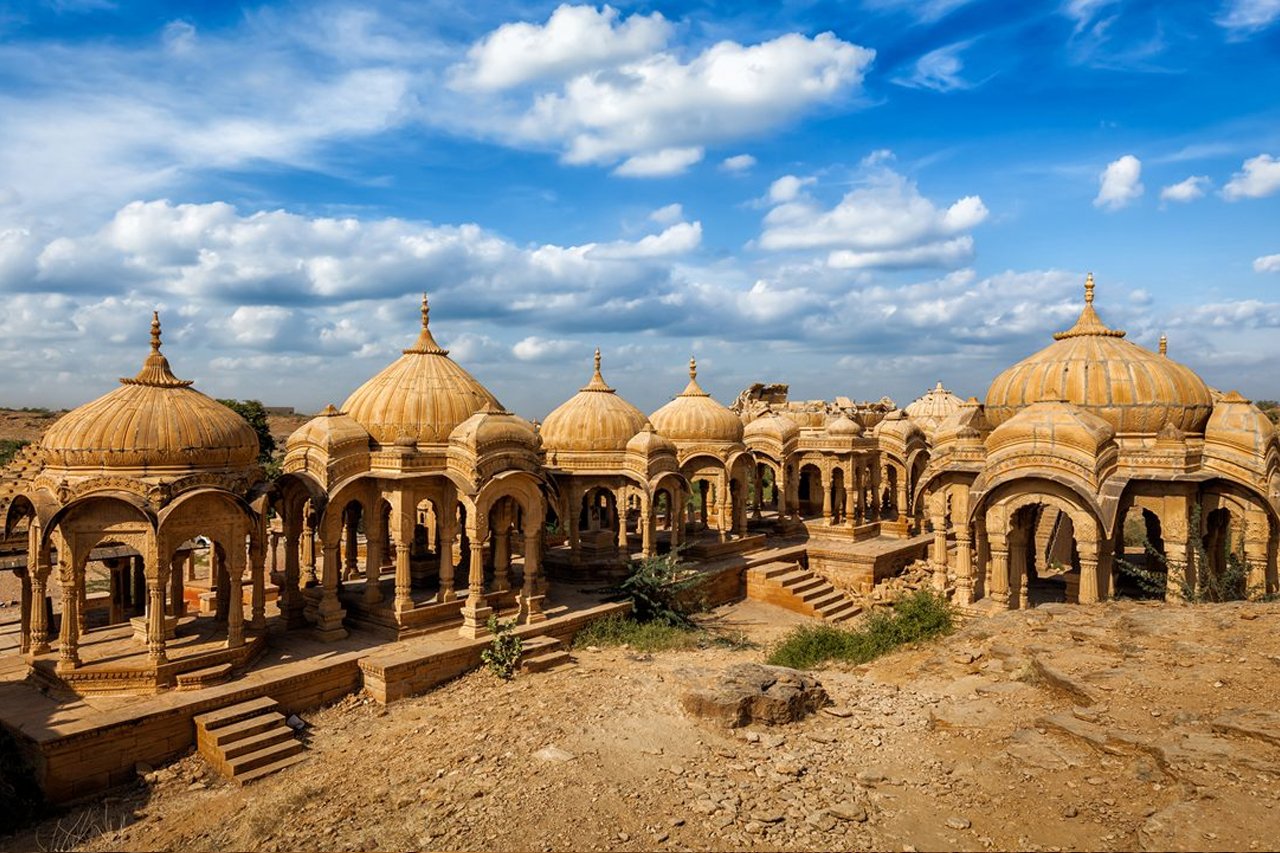
A well-rounded Jaisalmer itinerary extends past the fort and the dunes. Gadisar Lake, built in the fourteenth century as the city's main water reservoir, is worth an early boat ride, when the surrounding temples and ghats are at their most photogenic and least crowded. Bada Bagh, a garden complex of royal cenotaphs a short drive from the city, offers a quieter kind of heritage site — the domed chhatris of Jaisalmer's former rulers catching the evening light in a way that rewards patience over a quick stop.
For travellers curious about the region's stranger histories, Kuldhara, an abandoned village roughly eighteen kilometres away, adds a different note entirely. According to local legend, its entire population disappeared overnight in the nineteenth century, and walking through its now-empty streets offers a genuinely different kind of desert experience — less about grandeur, more about mystery.
Putting It Together
The value of understanding Jaisalmer's layered history — fort, haveli, desert, lake, legend — is that it turns a list of attractions into a coherent narrative. Two to three days is generally enough to move through the major sites without rushing, provided the itinerary is built with some thought: heritage sites in the cooler morning hours, desert activities in the late afternoon and evening, and enough unstructured time to simply sit with a view rather than move constantly from one stop to the next. Approached this way, Jaisalmer stops being a series of postcard moments and becomes something closer to what it actually is: a living record of how a desert city built an entire civilisation out of trade, stone and sand.